Biography
How do you describe a psychedelic cosmic being who potentially might’ve been an alien? David Bowie, perhaps the most original musician of the last century, died in the depths of winter in January 2016, his bright and colorful legacy will shape pop music for the rest of time.
The Beginnings
Bowie entered the Earth’s orbit on January 8, 1947. People say he was born in London, England under the name David Jones, but let’s be honest — he wasn’t a human being. Regardless, he’d go on to study art and music as a child, paving a natural way for his influential career as an artist and playing in a handful of bands throughout the early 60s. He struggled to find much success before eventually meeting legendary dance instructor Lindsay Kemp, helping him realize the power of an avant-garde approach to pop music. He focused all of his energy on developing a persona to put forth to the world.
Early Years and the Birth of Ziggy Stardust
That energy moved into 1969, a year that marked a significant change for Bowie. He’d release “Space Oddity” to some success, and he met Angela Barnett and married within the year. With Barnett, Bowie pushed forward and helped found and develop his artistry. He also met producer Tony Visconti in 1970, the beginning of a working relationship that would last on and off for Bowie’s entire career. Eventually, he released The Man Who Sold The World, a more fleshed-out and dramatic record of depth and pop, and a significant departure from his ‘60s music, which was more acoustic-driven and traditional.
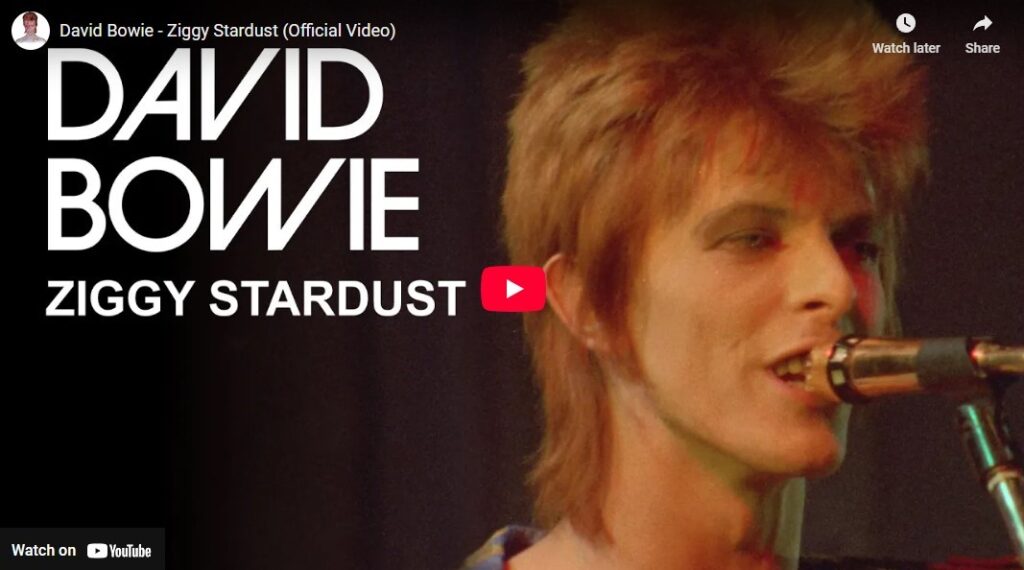
He toured the United States in 1971 and released Hunky Dory. At this point, he’d made some noise, and his androgynous, innovative persona began to catch the attention of the press. Then, in 1972, he released The Rise and Fall of Ziggy Stardust and the Spiders from Mars, a twisted and complicated concept album that combined all elements of his career until that point. The character Ziggy Stardust was born, and “Starman” became a household song.
The Berlin Era
From that point in the early ‘70s, Bowie found himself innovating every few years, shifting his persona into something else. With Ziggy Stardust, he helped found and innovate the genre of glam rock — and then in the mid-‘70s, shifted once again. This time — from 1974 to 1977 — was particularly fruitful for Bowie (in a career that was, for the record, marked by multiple fruitful periods). Throughout these years, Bowie released a string of iconic albums, part of it which is known as the “Berlin Era”: Diamond Dogs (1974), Young Americans (1975), Station to Station (1976), Low (1977), and “Heroes” (1977). He adopted a few different personas, most notably the Thin White Duke in 1975.
See what we mean about not being human?
The New Romantic Period
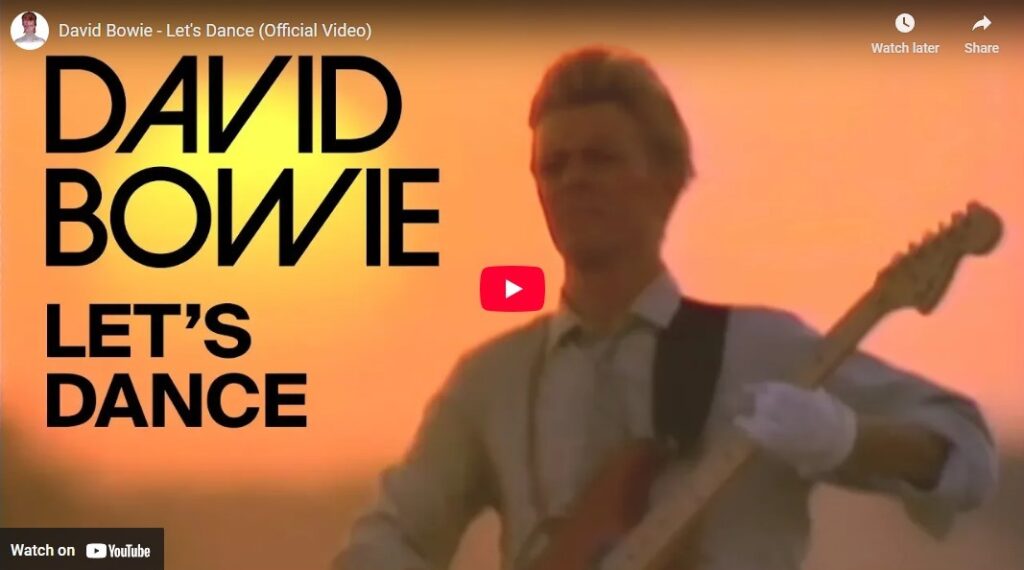
Later, in the ‘80s, Bowie continued changing the world with what’s known as the “New Romantic” period. Three albums Scary Monsters (and Super Creeps) (1980), Let’s Dance (1983), and Tonight (1984) all went number one.
He worked with Nile Rodgers and made music that would shape the ‘80s tone — a wild and synthetically fused decade full of high octane (*cough* cocaine *cough*) experiences — even though Bowie would eventually look back on this era disparagingly, calling it his “Phil Collins era.” (Although we wonder how that’s a slight?)
The Electronic Era and Transition to the Future
Nonetheless, he’d move into the ‘90s, and redefine himself again, a marker point being 1995’s Outside which he created with Brian Eno. This industrial, electronic sound matched the tone of the era, a complicated time that witnessed the beginning of internet culture, cyberpunks, grunge, and presidents under trial for infidelity.
In 1997, Bowie celebrated his 50th birthday with an iconic concert at Madison Square Garden. It was a celebration of his lauded career, and he was joined by countless musicians on stage such as Lou Reed, Billy Corgan, Dave Grohl, Sonic Youth, and more. At this point, Bowie had left a mark on culture a million times over, but he wasn’t done yet and wouldn’t be for a long time.

The Neoclassical Period
He’d carry this energy into the 2000s, his “neoclassical period,” in which he once again lined up with the times, working with now stalwart bands such as TV on the Radio and Arcade Fire to create music fit for walking down the street while wearing a cool suit. However, in 2004, Bowie, unfortunately, suffered a heart attack and ended up canceling the rest of his tour at the time. But he’d go on in 2006 to receive the Grammy Lifetime Achievement Award.
And yet, that’s not it. Bowie carried forth his career into the 2010s, releasing an album called The Next Day in 2013, a return with longtime producer Visconti. The record met acclaim from critics and went number one, showcasing that Bowie — nearly five decades after entering the world’s consciousness — still had it.
Blackstar and The End
The story of David Bowie is one of poetic perfection across all levels. An influence on multiple generations, a God walking among mortals, he transformed music and culture year after year after year. So of course, the end would be just as elegant as the beginning. His final record, Blackstar, was released on January 8, 2016, Bowie’s 69th birthday. It’s a sonically complicated project focused on floating into oblivion, and while listening to the album, some moments can be pulled from each point of his career. Two days after the release of Blackstar, Bowie died.
It was as if he knew it would be his final act, a perfect summation of a perfect career. The cause of death was cancer, but it seems much more likely that he returned to the heavens above us, drifting off into the horizon, setting sail, and leading our species into the psychedelic unknown. The impact of Bowie will never truly be understood, and that’s the point of it all. We try, though. We try.

What Are David Bowie’s Most Popular Tracks:
“Modern Love”

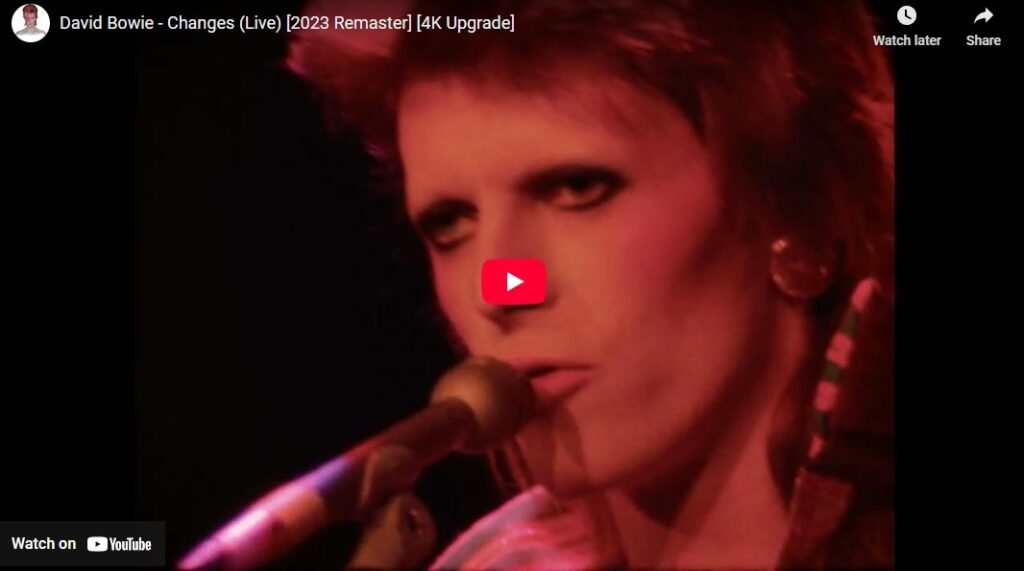
“Changes”
“Heroes”

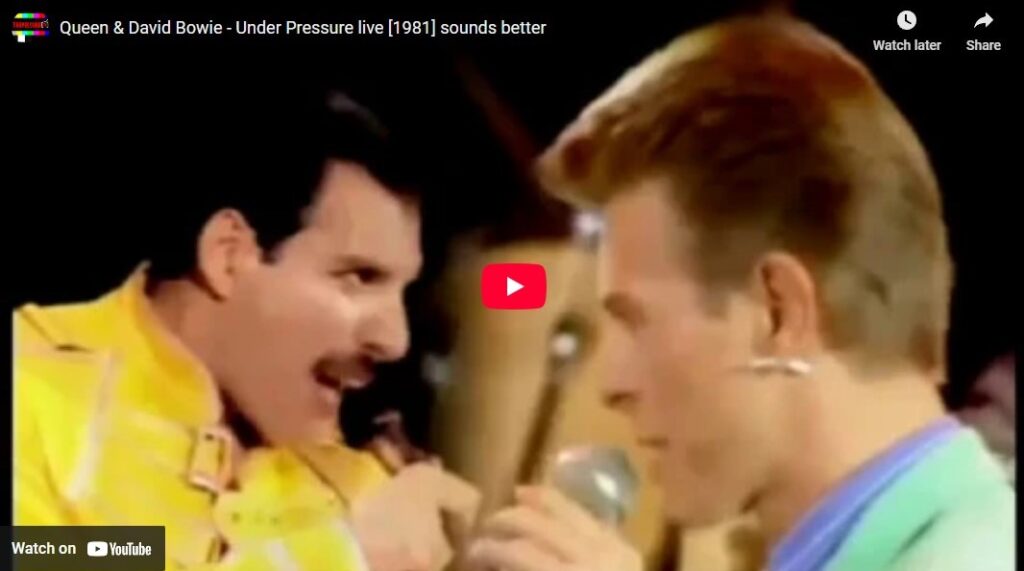
“Under Pressure”
“Let’s Dance”
“Ziggy Stardust”
“Rebel Rebel”
FAQs
Where Is David Bowie From & What Is David Bowie’s Real Name?
David Bowie was born in London, England on January 8, 1947, in Brixton. David Bowie’s real name is David Robert Jones. He adopted the name David Bowie in the ‘60s when he started making music.
Did David Bowie Have Different Colored Eyes?
A common misconception is that David Bowie had different colored eyes. But David Bowie’s eyes weren’t different colors. Instead, the difference in David Bowie’s eyes was determined by his pupil sizes. This is known as Anisocoria, which translates to “not equal pupil condition.” In Bowie’s case, he had a more intense condition than average, giving the appearance that he had different colored eyes. (In other words, he really was an alien.)
What Music Genre Is David Bowie?
The music genre of David Bowie is very difficult to define. Throughout his career, he touched all types of genres, becoming known for being a chameleon of a musician. The primary genre of music David Bowie is known for is Glam Rock, but he also created pop, art rock, rock ‘n’ roll, experimental, and electronic.
Did David Bowie Write His Own Music?
Yes, David Bowie wrote all of his music, aside from a cover here and there throughout his career. David Bowie’s co-producer on a number of his albums was named Tony Visconti, who helped execute David Bowie’s artistic vision.
How Many Albums Did David Bowie Release?
Throughout his prolific career, David Bowie released 26 studio albums, 21 live albums, 46 compilation albums, 10 extended plays, 128 singles, 3 soundtracks, and 12 box sets.
How Many Albums Did David Bowie Sell?
According to Fortune Magazine, David Bowie has sold over 140 million albums throughout his career, a number that grows every day.
How Did David Bowie Influence Music?
David Bowie is one of the most influential musicians of the last 50 years. With his innovative approach to rock ‘n’ roll, Bowie helped create the genre of glam rock. And similar to Bob Dylan, the various “eras” of David Bowie demonstrated how musicians could expand beyond their expectations and be true artists. Without David Bowie’s influence on music, it’s difficult to imagine a world that would give birth to Madonna, Lady Gaga, Kanye West, Beyonce, and other chameleon musicians.
What’s The Value Of David Bowie Vinyl?
David Bowie is one of the highest-selling vinyl artists over the last 50 years. The value of David Bowie vinyl depends on a variety of factors such as pressing year and current condition. According to Discogs, the highest value David Bowie sold in June 2022 was The Man Who Sold The World for $2,551.02.
How And When Did David Bowie Die?
David Bowie exited the world in an appropriately poetic fashion. His final album Blackstar released on January 8, 2016, which coincided with his 69th birthday. Two days later on January 10, 2016, he died at his Lafayette Street home in New York City after an 18-month battle with liver cancer. He had kept his illness private from fans and friends, so David Bowie’s death was both a private and public surprise.
Who Owns David Bowie’s Music?
Warner Music owns all of David Bowie’s music. In January 2022, David Bowie’s estate sold all of the rights to his music for $250 million.